
-
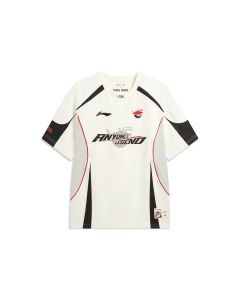 Li Ning x LOL AL Team 2026 LPL JerseySpecial Price $55.99 Regular Price $65.99
 -
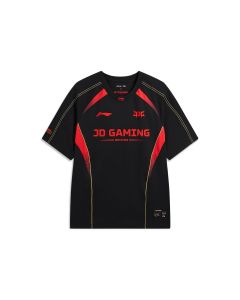 Li Ning x LOL JDG Team 2026 LPL JerseySpecial Price $55.99 Regular Price $75.99
 -
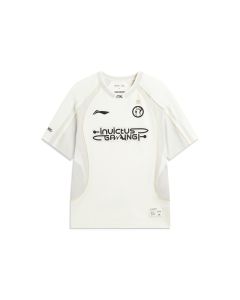 Li Ning x LOL IG Team 2026 LPL JerseySpecial Price $55.99 Regular Price $65.99
 -
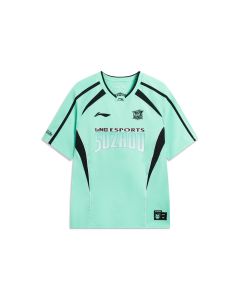 Li Ning x LOL LNG Team 2026 LPL JerseySpecial Price $55.99 Regular Price $65.99
 -
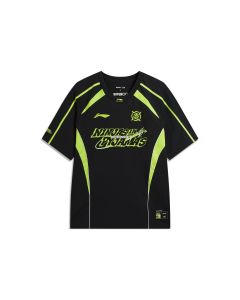 Li Ning x LOL NIP Team 2026 LPL JerseySpecial Price $55.99 Regular Price $65.99
 -
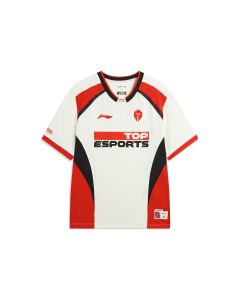 Li Ning x LOL TES Team 2026 LPL JerseySpecial Price $55.99 Regular Price $65.99
 -
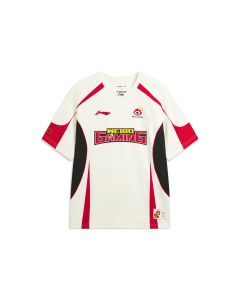 Li Ning x LOL WBG Team 2026 LPL JerseySpecial Price $55.99 Regular Price $65.99
 -
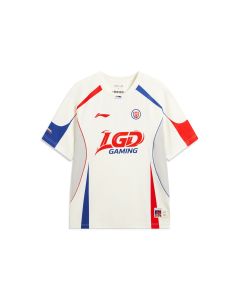 Li Ning x LOL LGD Team 2026 LPL JerseySpecial Price $55.99 Regular Price $65.99
 -
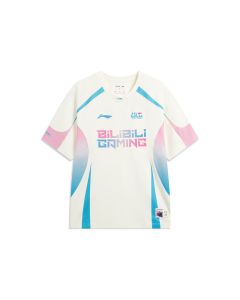 Li Ning x LOL BLG Team 2026 LPL JerseySpecial Price $55.99 Regular Price $65.99
 -
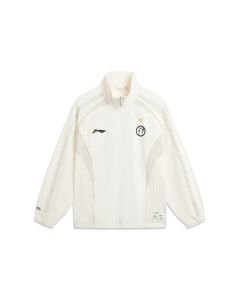 Li Ning x LOL IG Team 2026 LPL Jersey Sports JacketSpecial Price $99.99 Regular Price $129.99
 -
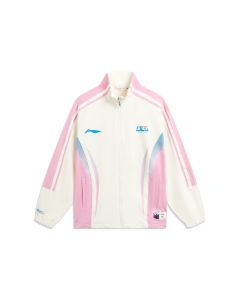 Li Ning x LOL BLG Team 2026 LPL Jersey Sports JacketSpecial Price $99.99 Regular Price $119.99
 -
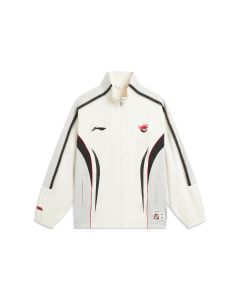 Li Ning x LOL AL Team 2026 LPL Jersey Sports JacketSpecial Price $99.99 Regular Price $119.99
Esports
Electronic Sports (Esports) is a form of competition in which athletes use electronic devices as their “equipment,” pitting intellect and physical reflexes against one another within virtual arenas. There are no grass pitches or running tracks; instead there are tactical whiteboards, boot-camps, superstar players and audiences counted in hundreds of millions. The competitor’s jersey is no longer a simple cotton T-shirt, but a “second skin” that merges biomechanical pattern-making, smart-sensing textiles and the narrative DNA of the team itself.
The evolution of esports apparel has moved from “promo tee” to “performance gear,” creating a three-tier ecosystem that now covers professional play, everyday wear and cultural merchandising:
Professional Competition Kit – the tech-powered second skin
Ergonomic Engineering
Designed for players who spend long hours seated and execute rapid, repetitive hand movements, pro-grade jerseys use zoned-compression fabrics. Features such as lumbar support bands, shoulder-neck mesh vents and wrist-muscle cushioning pads reduce cumulative strain. EDG’s 2021 Worlds jersey, for example, employed 3-D articulated patterning that increased lumbar support by 30 % and measurably lowered post-match fatigue.
Ergonomic Engineering
Designed for players who spend long hours seated and execute rapid, repetitive hand movements, pro-grade jerseys use zoned-compression fabrics. Features such as lumbar support bands, shoulder-neck mesh vents and wrist-muscle cushioning pads reduce cumulative strain. EDG’s 2021 Worlds jersey, for example, employed 3-D articulated patterning that increased lumbar support by 30 % and measurably lowered post-match fatigue.
Smart-Function Integration
High-end kits embed micro-sensors that stream real-time data on heart rate, skin temperature and muscular tension to coaching tablets, allowing instant training-load adjustments. Li-Ning’s 2024 LPL jersey houses a micro-climate management system: phase-change materials dynamically regulate temperature, keeping athletes comfortable under wildly different arena conditions.
High-end kits embed micro-sensors that stream real-time data on heart rate, skin temperature and muscular tension to coaching tablets, allowing instant training-load adjustments. Li-Ning’s 2024 LPL jersey houses a micro-climate management system: phase-change materials dynamically regulate temperature, keeping athletes comfortable under wildly different arena conditions.
Symbolic Cultural Identity
Designs weave team heritage and tournament iconography directly into the garment. iG’s 2018 Worlds championship jersey used a black-white gradient punctuated by gold lines to narrate the squad’s climb from rock-bottom to summit; RNG’s 2021 MSI shirt incorporated Chinese ink-wash motifs to project an Eastern philosophy of competitive balance.
Designs weave team heritage and tournament iconography directly into the garment. iG’s 2018 Worlds championship jersey used a black-white gradient punctuated by gold lines to narrate the squad’s climb from rock-bottom to summit; RNG’s 2021 MSI shirt incorporated Chinese ink-wash motifs to project an Eastern philosophy of competitive balance.